The Future of Hotel Operations: AI, Automation, and the Human Touch
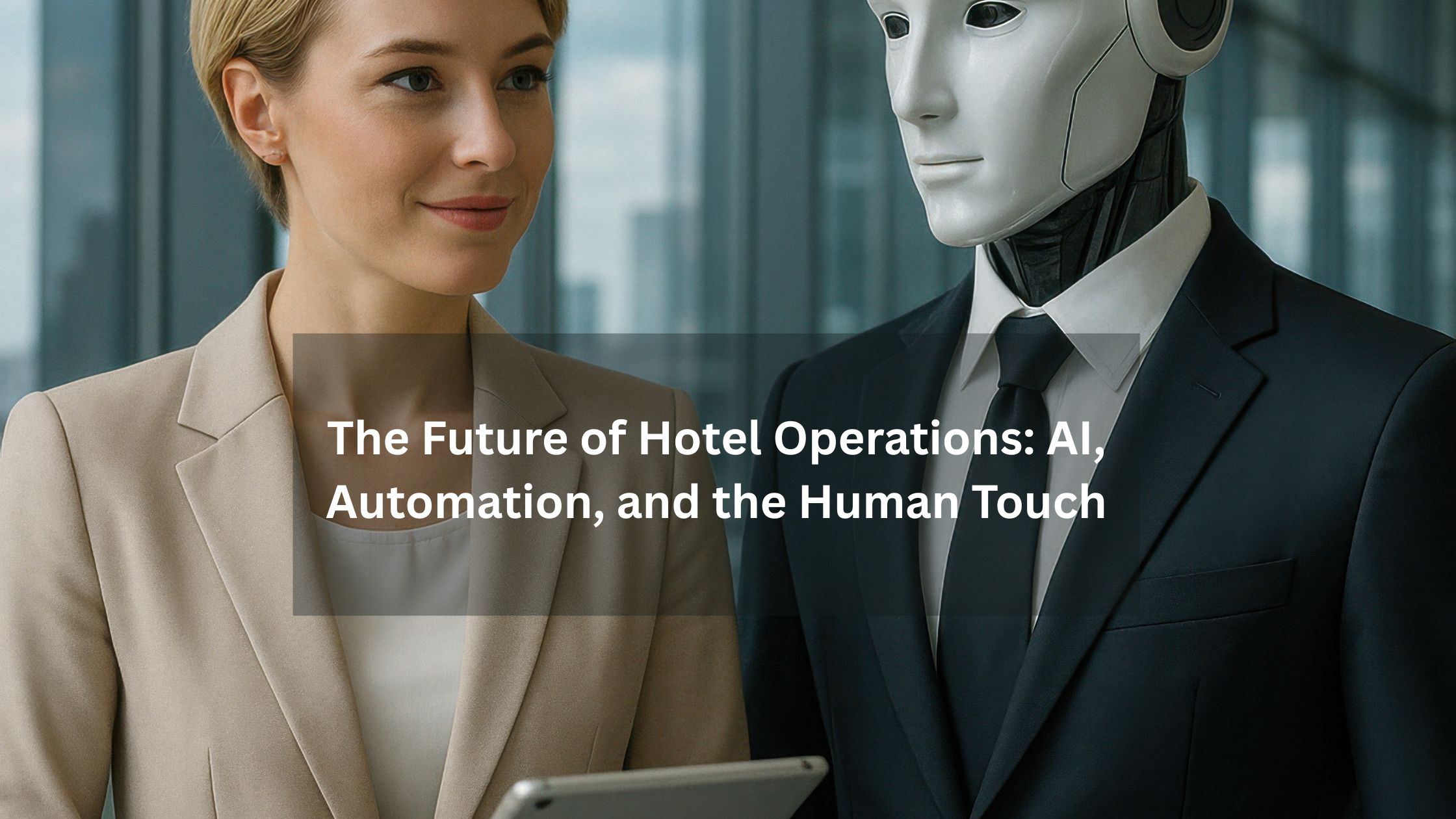
In the modern hospitality world, Technology is no longer an optional upgrade — it's the backbone of efficient hotel operations. From smart check-ins to predictive maintenance, the integration of AI and automation is transforming the way hotels function.
But as we look ahead to 2025 and beyond, one question continues to guide this evolution: how can hotels embrace advanced hotel automation software while preserving the warmth and empathy that define genuine hospitality?
Let's explore how Technology and the human touch can work hand-in-hand to create the hotel of the future.
Shifting Landscape of Hotel Operations in 2025 and Beyond
The hotel industry is moving faster than ever. Travellers expect quick service, seamless digital interactions, and personalized attention — all at once.
Hotels are under pressure to manage rising guest expectations while maintaining operational efficiency. Traditional methods — like manual housekeeping logs or paper-based maintenance reports — can't keep up.
That's why the new era of hospitality is powered by:
- Hotel Operations Platforms that connect teams across departments in real time
- Cloud-based Hotel Management Systems that give access to data anywhere, anytime
- AI-driven automation tools that predict guest needs before they even ask
In 2025 and beyond, the most successful hotels will be those that combine technology-driven efficiency with genuine, human-centred service.
Role of AI in Automating Repetitive Hotel Tasks
Artificial Intelligence (AI) is quietly reshaping the back-end of hotel operations. Instead of replacing staff, it's freeing them from repetitive tasks so they can focus on what matters most — the guest.
Here's how AI is making operations smarter:
1. Smart Housekeeping and Maintenance
Using hotel operations management software, hotels can now assign and track tasks automatically. AI-powered systems can predict when a room will be ready, notify staff of maintenance needs, and even adjust cleaning priorities based on guest check-in patterns.
This eliminates the old back-and-forth between departments — everything is visible and updated in real time.
2. Predictive Inventory and Resource Management
AI can analyze past data to predict which items — from toiletries to linens — are running low. Integrated hotel automation software sends real-time alerts, ensuring you never face unexpected shortages or wastage.
3. Guest Communication and Chatbots
AI-powered chatbots can handle repetitive guest queries like WiFi passwords, check-in times, or nearby attractions. This ensures quick responses while freeing front-desk staff to handle more complex requests.
4. Dynamic Pricing and Revenue Management
AI doesn't just improve operations — it also helps maximize revenue. Advanced algorithms analyze demand patterns, local events, and booking trends to suggest the best room rates automatically.
By automating these repetitive tasks, hotels can operate more efficiently, reduce errors, and deliver a smoother experience for both guests and staff.
How Automation Enhances Guest Experience
Automation is not just about saving time — it's about creating a more seamless and memorable experience for guests.
Here's how it transforms the guest journey:
1. Faster Check-Ins and Check-Outs
Guests no longer need to wait in long queues. With integrated cloud-based hotel management systems, hotels can offer mobile or kiosk-based check-ins, digital key access, and instant billing — making arrivals and departures effortless.
2. Personalized Stays
Automation tools can collect guest preferences — like pillow type, dietary needs, or room temperature — and ensure those preferences are applied every time they visit. This builds emotional loyalty while enhancing comfort.
3. Streamlined Communication
Through a hotel operations companion app, guests can request housekeeping, maintenance, or room service directly from their smartphones. This reduces friction and ensures immediate acknowledgement.
4. Proactive Service
Automation enables predictive service — for instance, if a guest's air conditioner shows signs of malfunction, maintenance can be scheduled before they even notice.
This proactive approach eliminates complaints and strengthens guest trust.
Why Human Touch Still Matters in Hospitality
Even with cutting-edge automation, hospitality is still, at its core, about people.
A smile at check-in, a staff member remembering your name, or a warm conversation at the restaurant — these human moments create emotional connections that machines can't replicate.
Here's why the human touch remains irreplaceable:
- Emotional Intelligence: Machines can analyze data, but they can't sense moods or show empathy. A tired traveller may appreciate a personal greeting more than an automated text message.
- Conflict Resolution: When something goes wrong, human staff are better equipped to respond with understanding, flexibility, and compassion.
- Cultural Nuance: Guests from different backgrounds value personal interactions differently. Human intuition helps tailor communication to these subtle differences.
In short, Technology can enhance hospitality — but only people can deliver it.
Striking the Balance Between Technology and Personalization
The future belongs to hotels that can blend efficiency with empathy.
Here's how to strike that balance effectively:
1. Use Technology as an Enabler, Not a Replacement
Technology should empower teams, not eliminate them. Tools like hotel operations management software streamline communication, while staff focus on creating meaningful guest experiences.
2. Train Staff to Use Tech Confidently
Adopting automation is only effective when employees know how to use it well. Encourage training programs that help your team understand the value of AI, automation, and hotel operations platforms.
3. Keep the Guest at the Centre
Every new Technology should ultimately make life easier for the guest — faster service, fewer delays, and more comfort. Evaluate each tool through that lens.
4. Balance Data and Empathy
While AI provides insights into preferences and behaviours, the staff should use that data to personalize conversations — not replace them.
5. Ensure Smooth Integration
For maximum efficiency, choose a cloud-based hotel management system that integrates with your hotel operations companion app and other platforms seamlessly.
Do's and Don'ts for Adopting Automation in Hotel Operations
Do's
- Do invest in scalable hotel automation software that grows with your business.
- Do involve your team in every stage of digital transformation.
- Do use data responsibly to enhance guest experience, not invade privacy.
- Do measure ROI through metrics like time saved, guest satisfaction, and staff productivity.
- Do maintain regular training sessions to keep your staff tech-ready.
Don'ts
- Don't automate every single process — some touchpoints should stay personal.
- Don't implement too many tools that don't integrate well with your existing hotel operations platform.
- Don't ignore guest feedback during the transition phase.
- Don't neglect the importance of human warmth in service delivery.
- Don't assume Technology will fix poor management — it amplifies existing strengths or weaknesses.
Conclusion:

The hospitality industry is evolving rapidly, and the hotels that thrive will be those that master the synergy between Technology and humanity.
AI and automation — powered by advanced hotel automation software, hotel operations management software, and cloud-based hotel management systems — are redefining efficiency. But the real secret lies in combining these tools with the compassion, intuition, and warmth only humans can bring.
The future isn't about choosing between machines and people — it's about creating harmony between the two. Hotels that achieve this balance will not only run smoother operations but will also create guest experiences that feel effortless, personal, and unforgettable.
FAQs
1. What is hotel automation software?
Hotel automation software automates repetitive operational tasks like housekeeping, maintenance, and inventory management. It helps hotels reduce manual work and improve efficiency.
2. How does a cloud-based hotel management system help operations?
It provides real-time access to data from any location, ensuring seamless coordination between departments and reducing delays in communication.
3. Can automation reduce the need for hotel staff?
Not necessarily. Automation handles repetitive tasks, allowing staff to focus more on guest engagement and personalised service.
4. What's the difference between PMS and a hotel operations platform?
A PMS handles reservations, billing, and records, while a hotel operations platform focuses on day-to-day operations like task assignment, housekeeping, and maintenance.
5. How can small hotels afford automation tools?
Many hotel operations' companion apps offer affordable subscription-based plans tailored for boutique and mid-sized properties.